
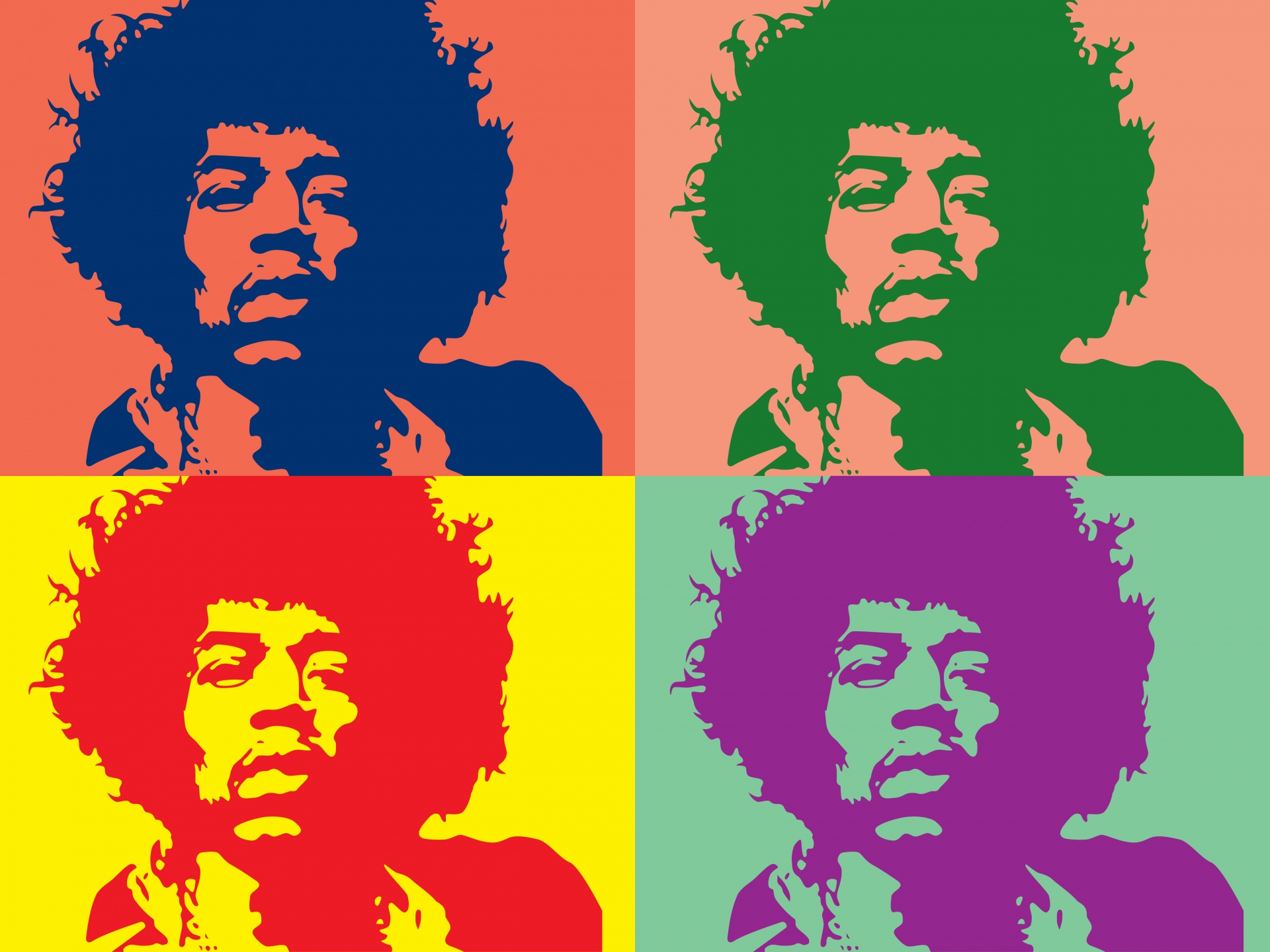
Jimi Hendrix and the Band of Gypsys
Jimi Hendri didn’t just play the electric guitar — he detonated it, rewired it, and rebuilt the language of rock music in real time. What came before him suddenly sounded cautious. What came after him had no excuse. Hendrix arrived like a force of nature: raw, volcanic, and uncontrollable, yet somehow precise enough to bend chaos into art.
Before Hendrix, distortion was an accident or a gimmick. Hendrix made it a *voice*. Feedback wasn’t noise — it was conversation. He treated amplifiers like living creatures, riding the edge between control and collapse. His guitar screamed, cried, laughed, and threatened, often all in the same measure. He didn’t avoid limits; he leaned into them, wrung them dry, and dared them to push back harder.
What made Hendrix terrifyingly powerful wasn’t just volume or speed — it was intent. Every note carried weight. He could turn a single sustained bend into an emotional gut punch, then explode into a barrage of notes that felt less played than unleashed. His use of the wah pedal, fuzz, and octave effects wasn’t decoration; it was architecture. He built sonic worlds where blues, rock, soul, psychedelia, and raw electricity collided head-on.